
On this page
- What is periodontal regeneration?
- Which teeth and bone defects can be rebuilt?
- How does regeneration work?
- How is it different from bone grafting for implants?
- What is healing like?
- What are the risks and limits of regeneration?
- What affects the cost of periodontal regeneration?
- Care at Perio One
- When to call us
- What to expect
- Common questions
At a glance
- It targets specific bone defects beside a tooth, not the general bone loss spread across a whole mouth.
- Narrow, deep defects and some root-fork areas tend to respond better than even, shallow bone loss.
- A bone graft, a barrier membrane or tissue-stimulating proteins may be used, often together.
- Results vary by defect shape, smoking status and how well plaque is controlled afterward.
- It differs from grafting done to prepare a site for a dental implant.
What is periodontal regeneration?
Periodontal regeneration is a procedure that tries to rebuild part of the bone and the fibers that gum disease destroyed around a natural tooth. The aim is to help save a tooth that might otherwise loosen or need to be removed.
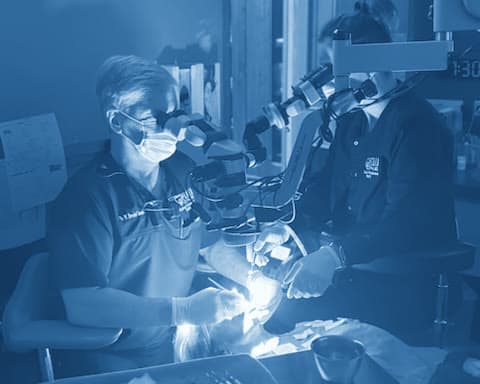
It is done through the same kind of surgical access as periodontal surgery. The gum is folded back so the defect can be seen and treated directly, then closed to heal over the area.
Which teeth and bone defects can be rebuilt?
Not every kind of bone loss responds the same way. Narrow, deep defects next to a tooth, sometimes called a crater or a vertical defect, tend to respond better because they hold graft material in place while healing happens.
Even, shallow bone loss spread across a wide area generally doesn't respond as well, because there is no contained space for new tissue to form. Some defects at the fork where a tooth's roots divide can also improve, though results there are less predictable.
How the defect formed matters too, and the causes are covered on the page about bone loss from gum disease. An exam and X-rays, sometimes with a 3D scan, show the shape of a specific defect before any plan is made.
How does regeneration work?
The gum is numbed and gently folded back so the defect can be cleaned of bacteria and diseased tissue. A bone graft material may then be placed to fill the space. A thin barrier membrane can be placed over it, to keep the wrong type of tissue from growing into the area too quickly.
Tissue-stimulating proteins are sometimes used instead of, or along with, a graft and membrane. These are placed to encourage the body's own cells to rebuild bone and the fibers that attach the tooth. Growth factors from your own blood may also be added to support healing.
Once everything is in place, the gum is stitched closed over the treated area so healing can begin undisturbed.
How is it different from bone grafting for implants?
Periodontal regeneration is aimed at saving a natural tooth that is still in place. Bone grafting for implants has a different goal: rebuilding a ridge after a tooth is already gone, to support an implant placed later.
The materials used can overlap, but the surgical setting is different. Regeneration works around a tooth's roots and the ligament that holds it, while implant-site grafting works in an empty ridge with no tooth or root to protect.
What is healing like?
Expect swelling and tenderness for several days, similar to periodontal surgery, with stitches usually removed after one to two weeks. Cold sensitivity in the area is common early on.
New bone and attachment form slowly, over months rather than days, so the real result isn't visible right away. A follow-up exam, sometimes with X-rays, checks how the area is healing over time.
Gentle brushing and avoiding pressure on the healing site protect the result, and smoking noticeably slows healing in this kind of procedure.
What are the risks and limits of regeneration?
Regeneration is partial, not complete, and how much bone returns depends heavily on the defect's shape, your smoking status and your home care afterward. Bone that has been lost doesn't regrow on its own, and no amount of home care will restore it without treatment.
It is not possible to promise a tooth will be saved; some teeth still loosen further despite treatment and may eventually need to be removed. General surgical risks apply too, including infection, incomplete healing or graft material that doesn't take as hoped.
Bone doesn't regrow around teeth on its own, without a regeneration procedure. Once bone is lost to periodontitis, it stays lost unless it is treated, and even then results vary from tooth to tooth.
What affects the cost of periodontal regeneration?
Cost depends on how many teeth and defects are treated, and which materials the defect calls for. Your exam and imaging determine the plan before any figure is given.
- How many teeth and defects need treatment
- Which materials the defect responds best to
- Whether 3D imaging is needed to plan the procedure
- The follow-up visits used to track healing
- What your dental plan covers, which varies by plan
Care at Perio One
At Perio One, Dr. Randal Comeaux, DDS, Diplomate of the American Board of Periodontology, evaluates each bone defect individually before recommending regeneration. An examination, often with 3D cone beam CT imaging, comes before any plan.
Dr. Comeaux explains which defects are likely to respond and which may need a different approach, in plain language, so you understand the realistic outcome for your tooth. Your general dentist stays informed throughout, and dentists across the Lafayette area are welcome to refer patients directly.
Once healing is underway, our periodontal maintenance program helps track the tooth over the months and years that follow.
When to call us
- You have been told a tooth has a deep, narrow bone defect
- A loose tooth you would like to keep
- A deep pocket at one tooth that keeps bleeding
- Swelling that keeps returning at the same tooth
- After regeneration surgery, call us right away about a fever, swelling that grows or spreads, or bleeding that won't stop with firm pressure. For severe symptoms or any trouble swallowing or breathing, go to an emergency room or call 911.
Our periodontists, Dr. Randal Comeaux and Dr. Lauren Langlois, can talk through what you’re noticing.
Call to scheduleWhat to expect
- Examination and imaging
The defect is measured and its shape reviewed, often with a 3D scan, to see whether it is likely to respond.
- Your options, explained
Dr. Comeaux explains what regeneration can realistically achieve for your specific tooth.
- The procedure
The gum is opened, the defect cleaned, and graft material, a membrane or proteins are placed as needed.
- Early healing
Swelling and tenderness settle over one to two weeks as stitches are removed.
- Longer-term healing
New bone and attachment form gradually over several months.
- Follow-up checks
The area is rechecked over time to see how it responded.
- Maintenance
Regular maintenance visits help protect the tooth going forward.
Common questions
Can bone grow back around teeth?
In some cases, yes, at least partly. Narrow, deep defects tend to respond best to regeneration procedures. Even, widespread bone loss generally doesn't rebuild as well, and results vary from tooth to tooth.
Can you regrow bone around teeth naturally?
No. Bone lost to gum disease doesn't return on its own, no matter how well you brush or floss. A regeneration procedure is needed to give bone a chance to rebuild, and even then the amount varies.
Does guided tissue regeneration work?
It can help in the right situation, particularly for narrow, deep defects. It doesn't work equally well for every defect shape, and smoking and home care afterward both affect the outcome.
Is guided tissue regeneration painful?
Local anesthetic keeps the procedure itself comfortable while it happens. Afterward, tenderness and swelling for several days are common and usually manageable with rest and care at home.
How long does periodontal regeneration take to heal?
Surface healing, like the gum closing over the area, takes one to two weeks. The new bone and attachment underneath take much longer, often several months, to form fully.
Sources
- American Academy of Periodontology: Surgical procedures
- Cleveland Clinic: Gum disease treatment
- Cleveland Clinic: Dental bone graft
This page is general education, not a diagnosis. Your periodontist will recommend care after an examination.